Merman is an existing application used by lab technicians to plan the primer synthesis workflow. The original application was built using legacy Angular code, did not align with Twist’s updated brand, and lacked the modern React component library used across the product suite.
This project focused on a complete redesign of the application to create a more consistent user experience, improve usability, and introduce new features needed by lab technicians. The goal was to create a more intuitive tool that better represented the complexity of the synthesis process while providing users with clearer visibility into their workflow.
As the UX/UI Designer on this project, I led the user research process, created user flows, developed wireframes, built reusable components, and designed high-fidelity mockups. The project team included one product manager and two developers, with additional collaboration from the Lead of Data Systems and Manufacturing Supervisor. The project took place from July to October 2025.
UX/UI Design
User Research
Design Systems
Process:
To better understand the current workflow, we conducted a two-day brainstorming and discovery session with lab technicians and key stakeholders. This allowed us to learn how users interacted with the existing application, identify pain points, and understand the science behind the primer synthesis process.
By bringing together perspectives from lab technicians, manufacturing leadership, and data systems, we were able to identify the information users needed to make decisions throughout the workflow and determine how the application could better support their day-to-day tasks.
Insights:
The research revealed several key opportunities for improvement:
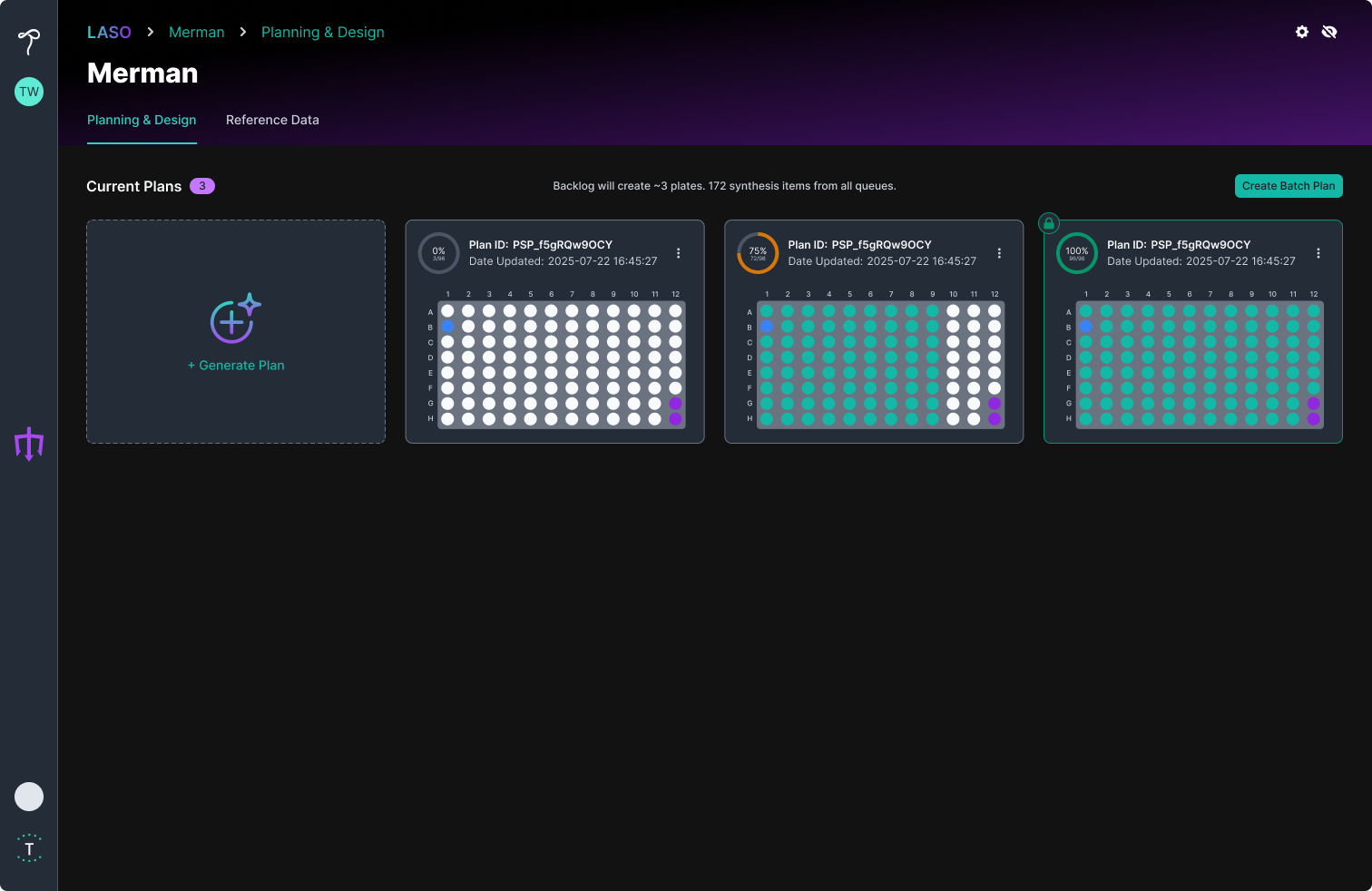
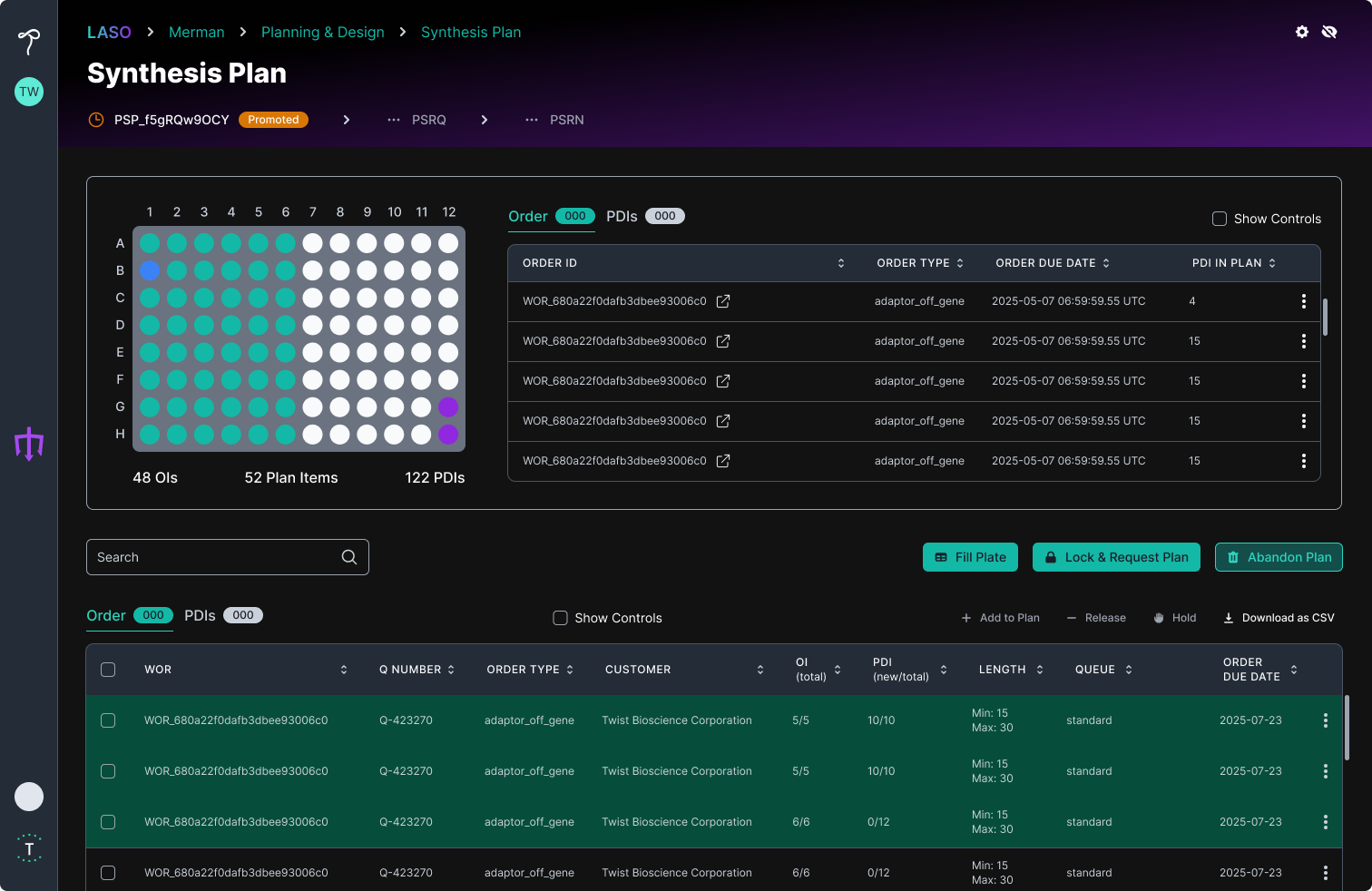
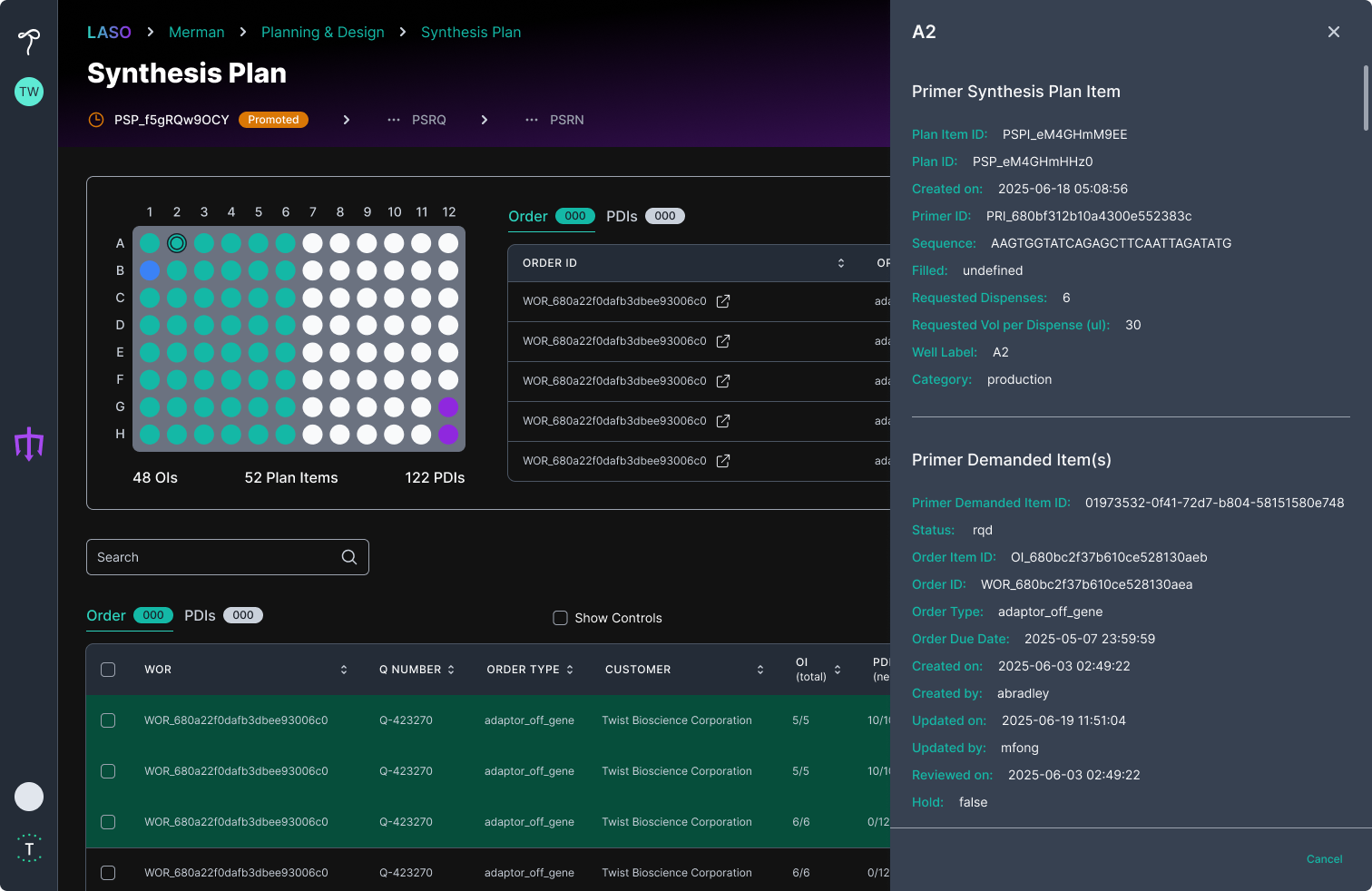
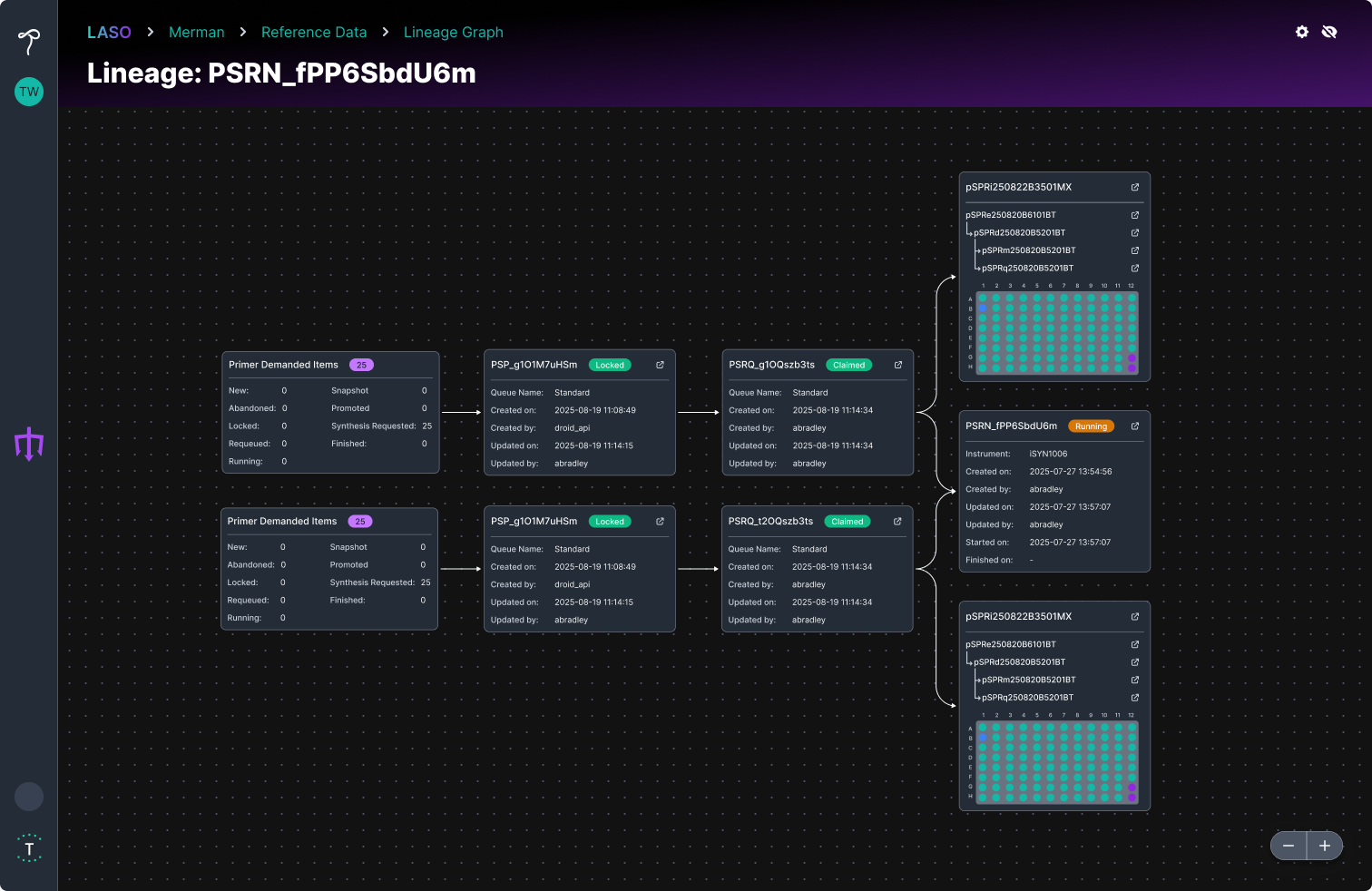
1. Limited Visual Feedback: The existing application lacked visual representation of the synthesis workflow, making it difficult for users to understand what was happening within each well of the plate and track the lifecycle of the product.
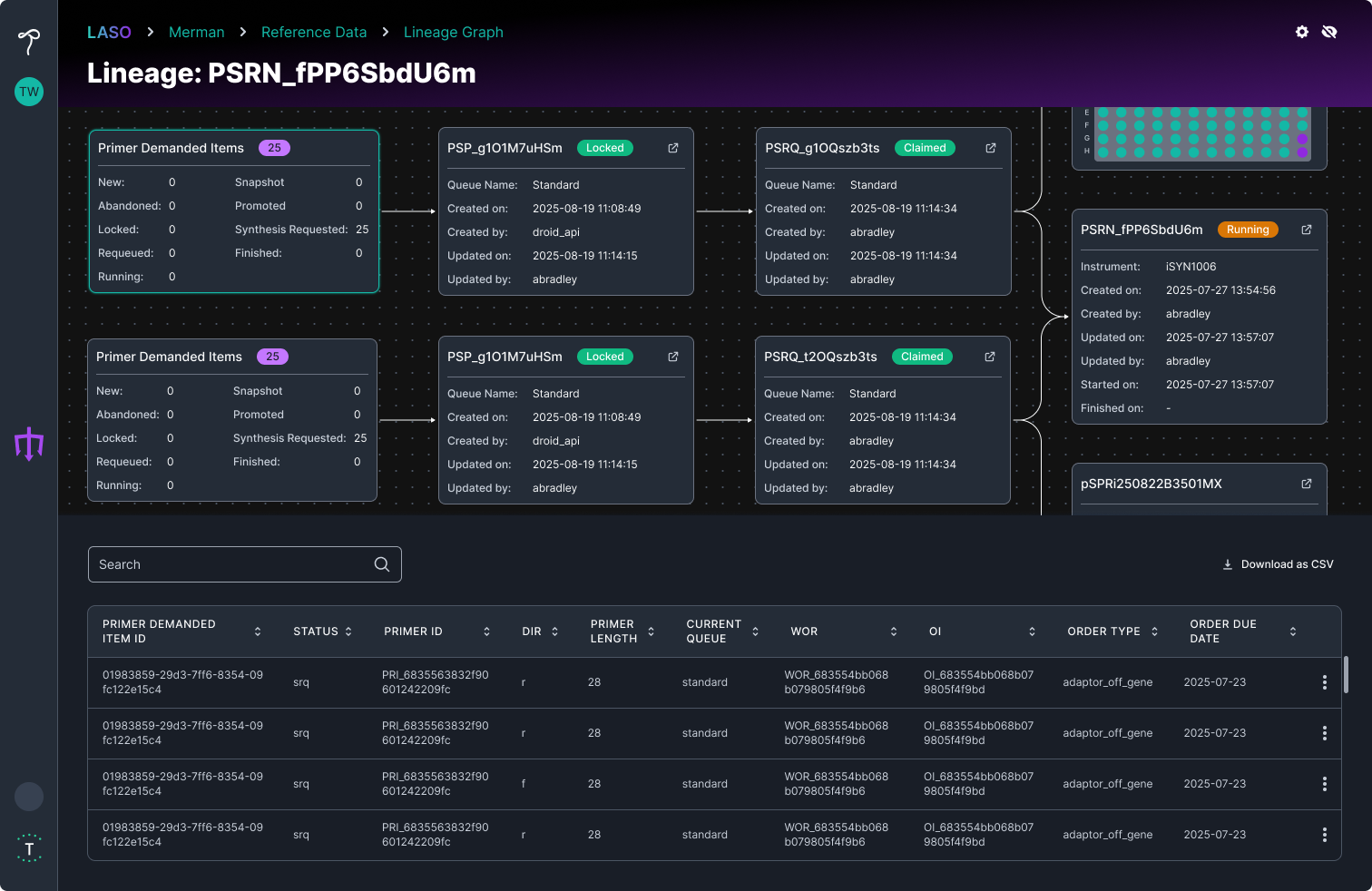
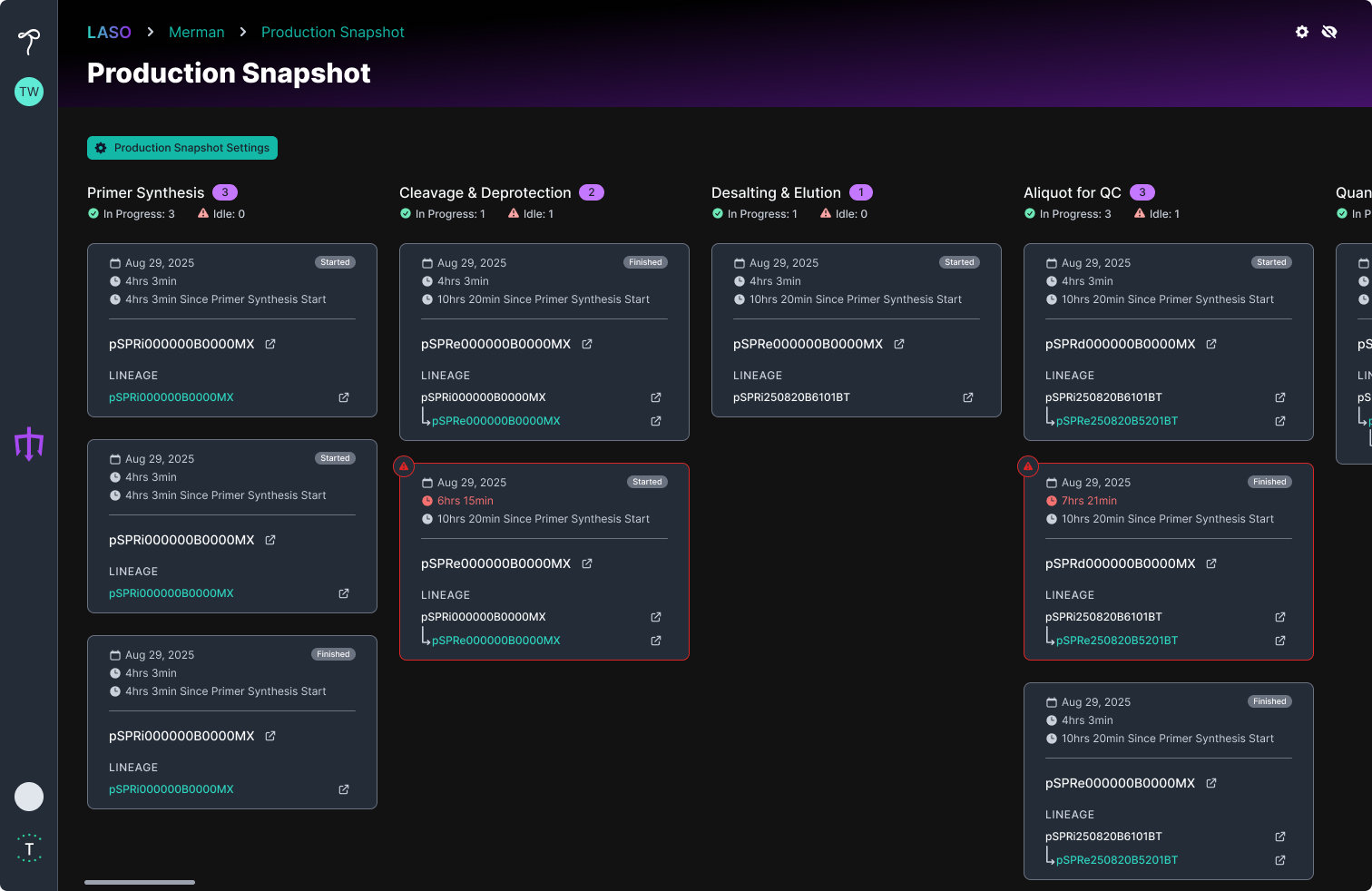
2. Complex Workflow Understanding: Users needed clearer visibility into each step of the process to better understand status, progress, and potential issues.
3. Outdated User Experience: The legacy application did not align with the current product suite, creating inconsistencies in visual design and interaction patterns.
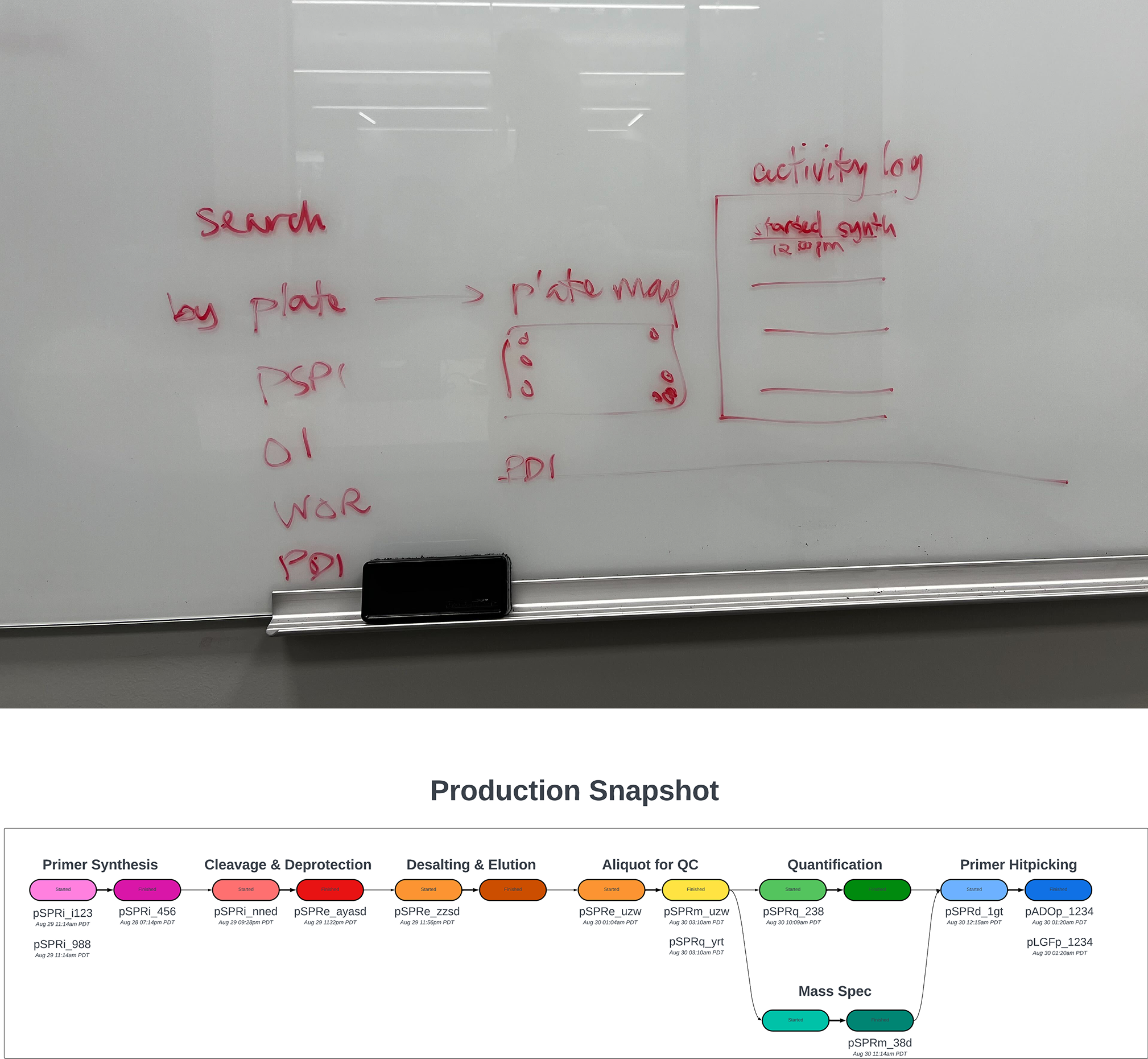
During the two-day discovery session, we mapped the existing workflow and began exploring how the application structure could better support the way lab technicians work. This helped us define the key screens, user flows, and information hierarchy needed for the redesign.
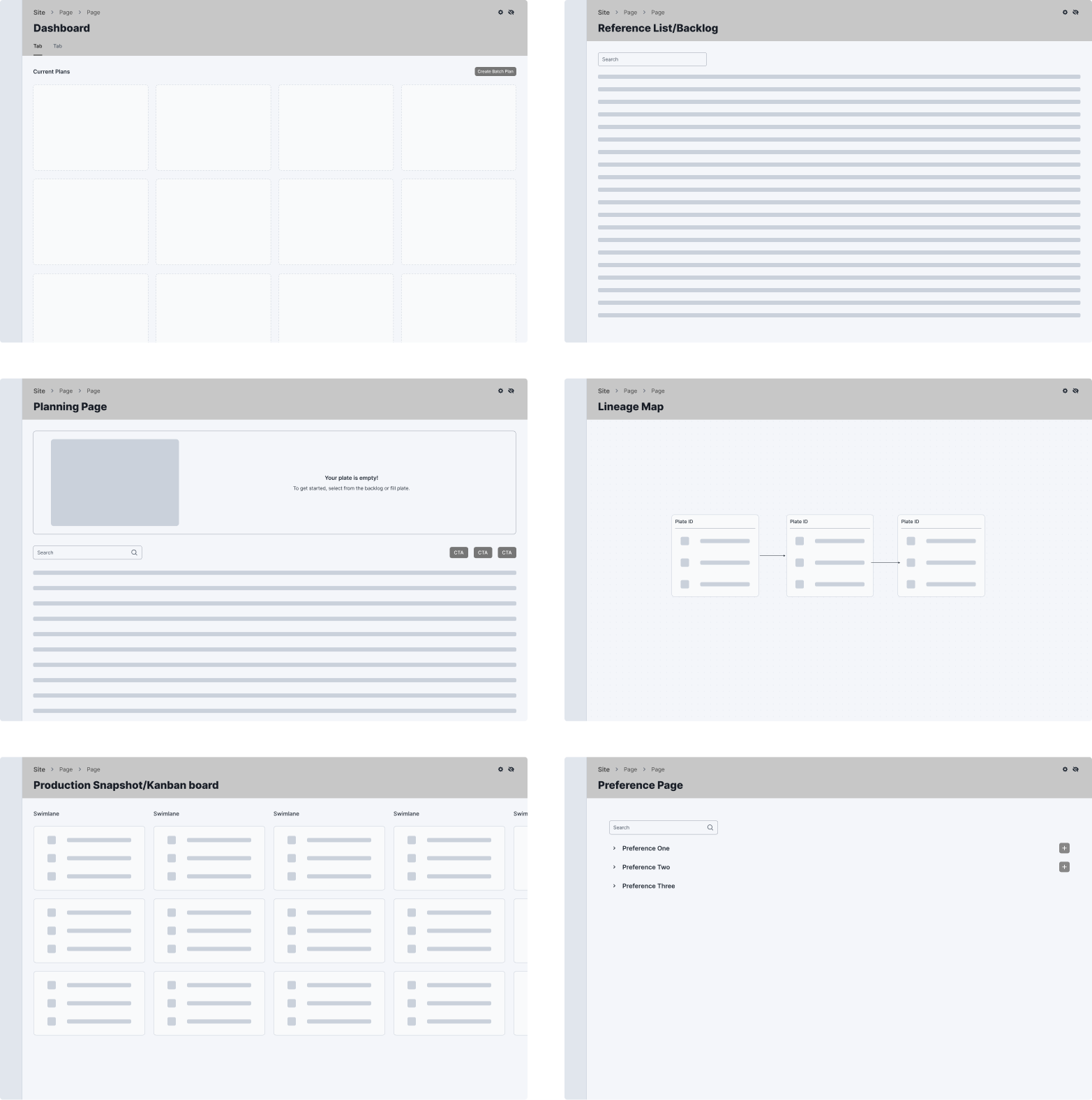
I began by creating wireframes for the core pages to explore layout options and establish a foundation for the new experience. From there, I identified the necessary UI patterns and built reusable components within the React component library to ensure consistency and scalability across the application.
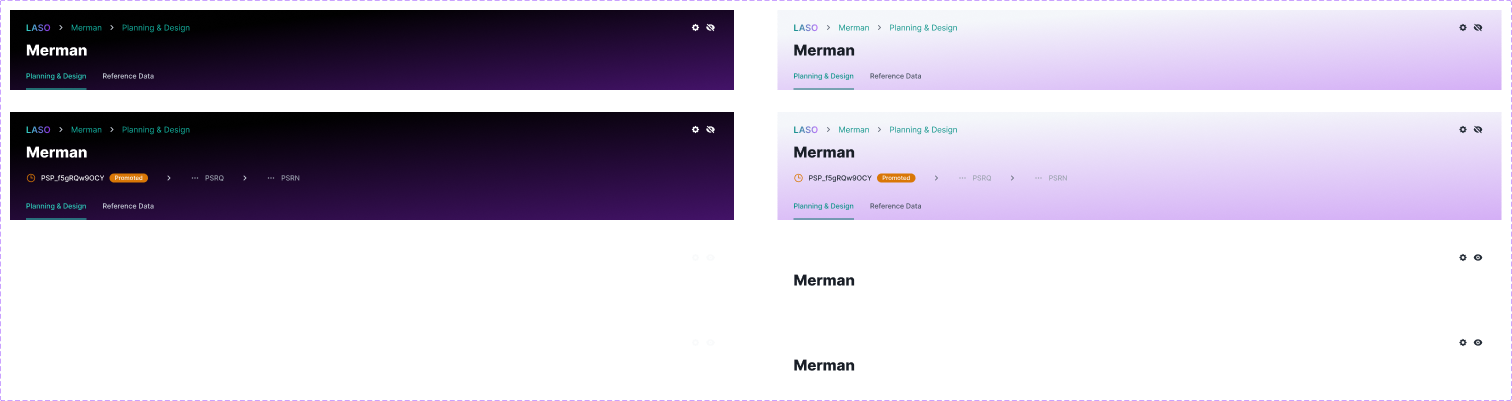
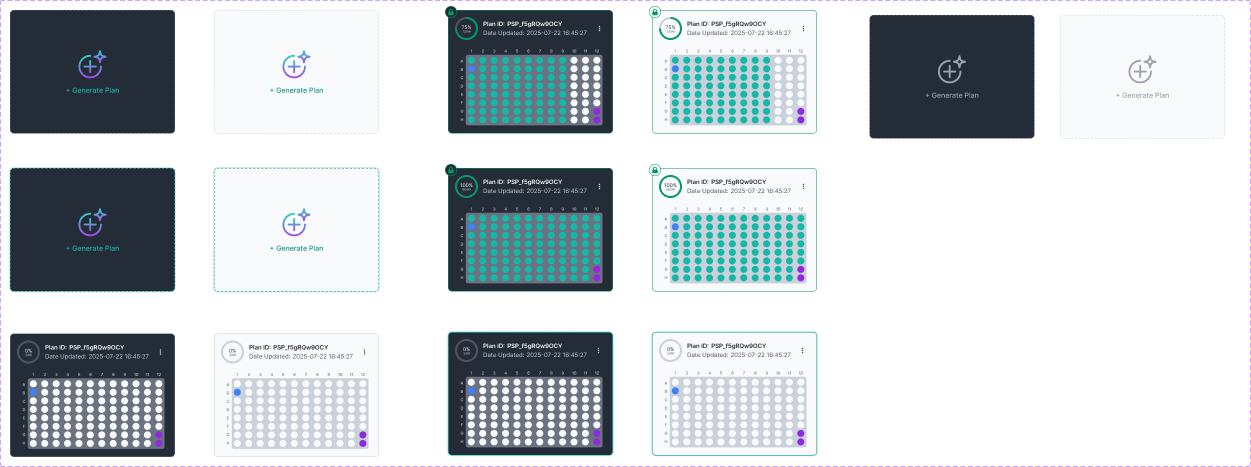
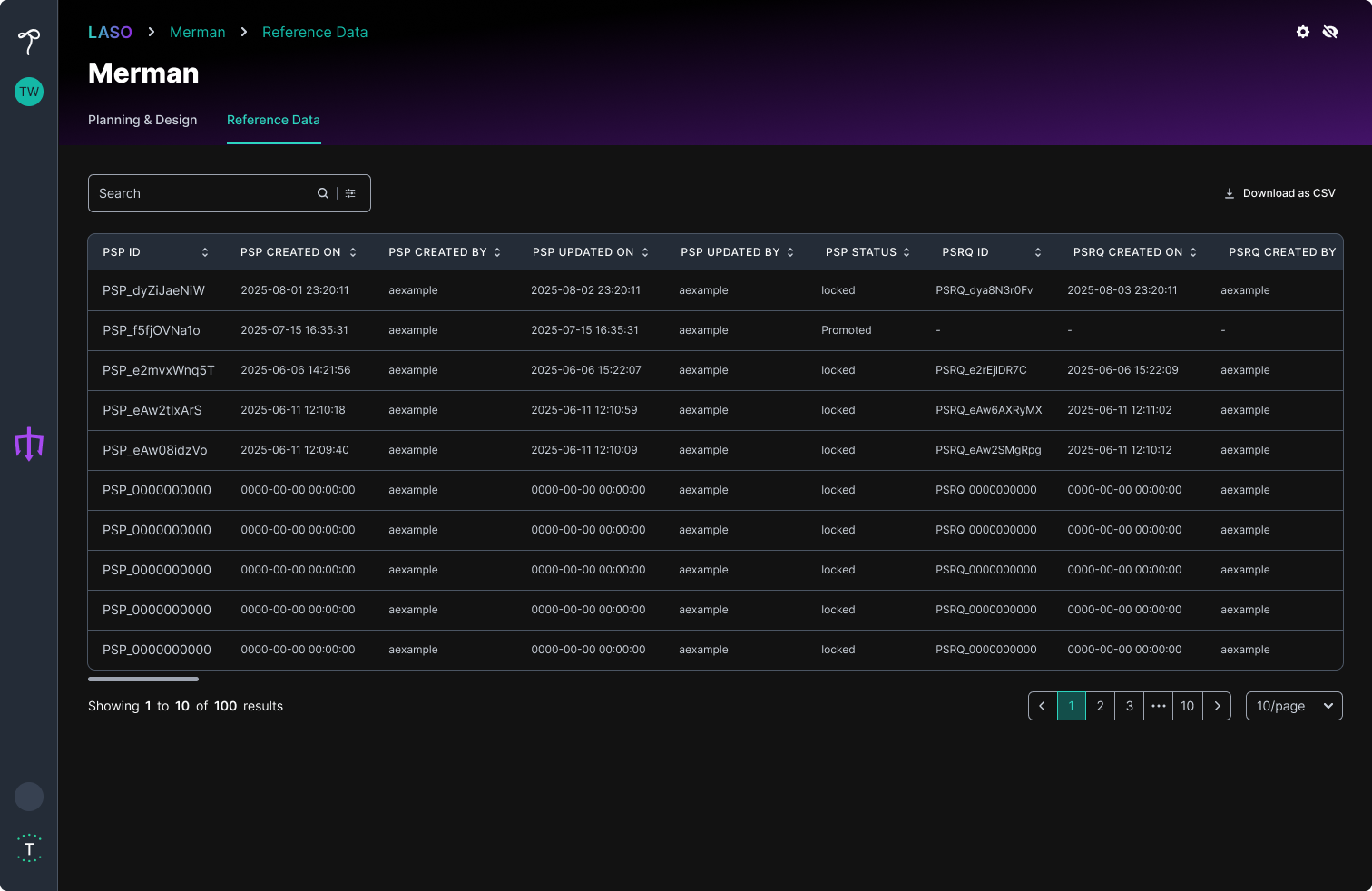
The final design significantly improved the usability, consistency, and visual clarity of the Merman application. By aligning the experience with Twist’s updated product suite, the redesign created a cohesive look and feel while introducing a more intuitive workflow for lab technicians.The redesigned application provided users with improved visibility into the primer synthesis process, including clearer representations of plate wells, workflow status, and product lifecycle information. These improvements allowed users to better understand their work at a glance and complete planning tasks more efficiently. Following launch, we saw a reduction in planning time by nearly 15% and received fewer bug reports from users, indicating improved usability and overall product quality.
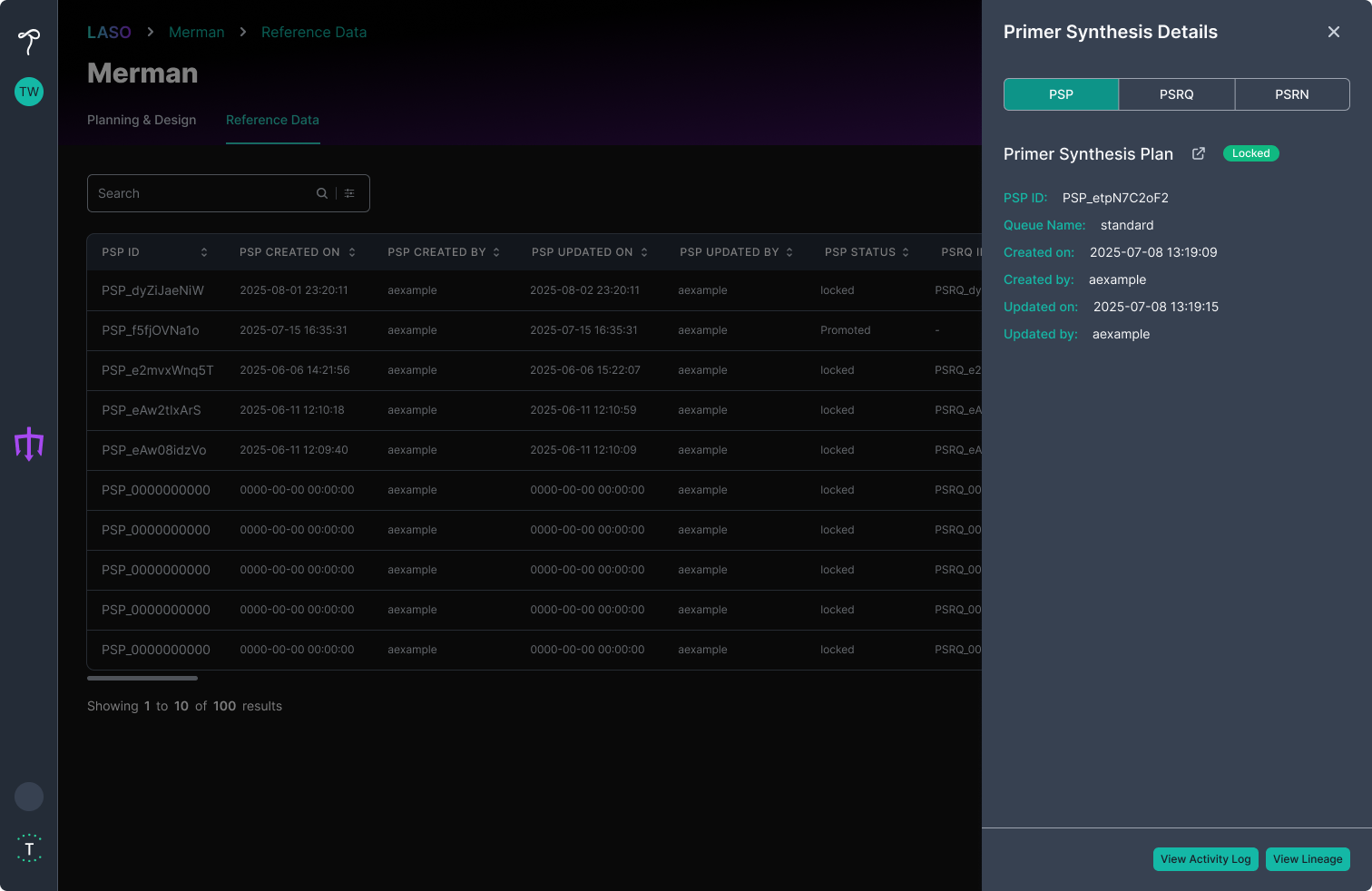
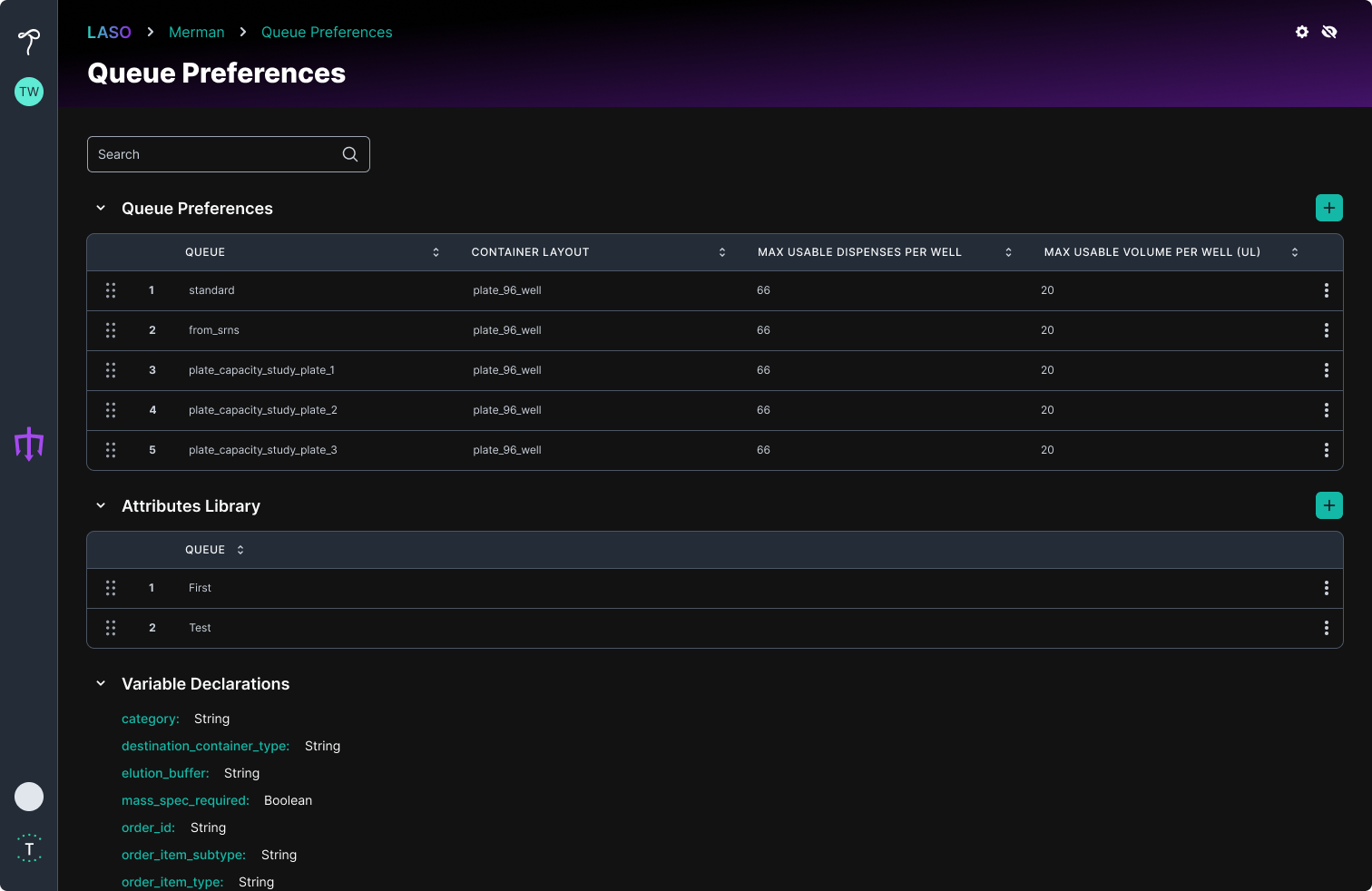
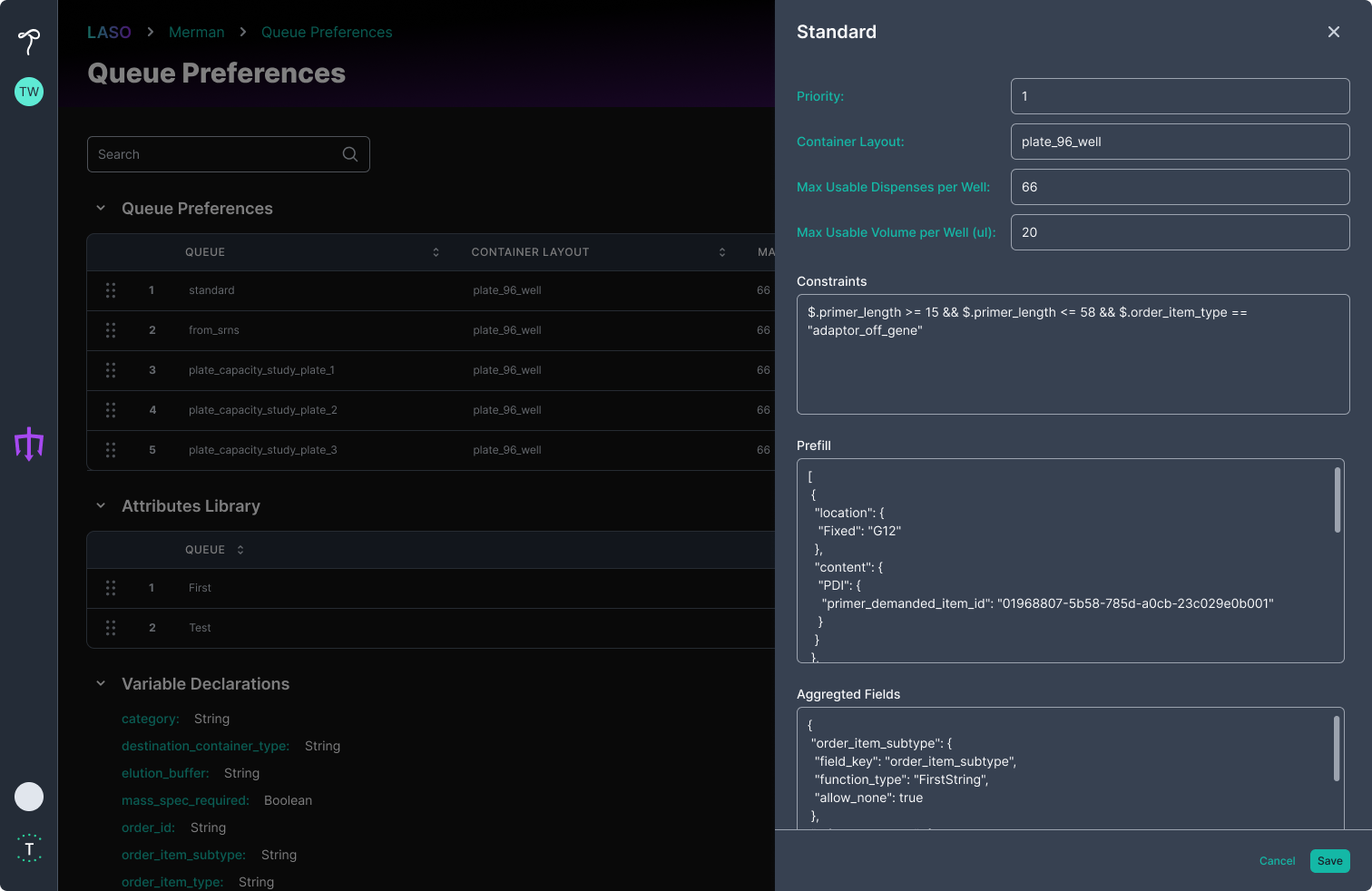
This project challenged me to quickly learn the complexities of primer synthesis and translate a highly technical workflow into an intuitive user experience. Working closely with stakeholders across different areas of the business helped me understand which information was most valuable to users and prioritize the right solutions.This project reinforced the importance of involving users and subject matter experts early in the design process. By combining technical knowledge with user feedback, we were able to create a solution that improved efficiency for lab technicians while providing a stronger foundation for future product development.
I’m a UI/UX designer with a passion for creating user-centered experiences and a knack for solving problems. When I’m not designing, you’ll find me illustrating, reading, or chasing my Corgi, Buttercup, around the beach. Let’s make something awesome together!


